One Design, many hands
An enterprise design system and, later, a talent brand for the people who built it. A shared language across iPad, iPhone, ATMs and interactive displays at Capital One, plus the motion guidelines the whole org worked from. Both are still alive over there, which is the whole point of building systems instead of one-offs.
- Client
- Capital One, Retail Bank, then the enterprise design org. A living system owned by everyone who used it.
- Duration
- 2014 to 2019. It grew up alongside the practice: nobody had really pinned down what a design system was yet.
- Role
- Strategic collaboration, branding, prototyping, interaction and visual design. I owned motion end to end.
- Scope
- A steering committee of lead designers and product partners, driving one language for a roughly 450-designer org.
Outcomes
- An enterprise-wide, collaborative living system: guidelines and reusable components for a consistent experience across hundreds of products.
- Faster delivery and a stronger design culture, because five products started to look and behave like one.
- Design principles and a mission for the whole design team, set in a two-day lead-designer workshop.
- The motion language: animation guidelines, principles, and do's and don'ts every designer and developer worked from.
- A talent brand for a roughly 450-designer org, built with the org, not revealed to it.
- The system's components and design language carried into product work that won Gold at the 2016 app design awards (Capital One Mobile).
- My motion work became the "Jedi Principles of UI Animation" talk, so it ended up doing double duty.
Nothing felt consistent
In a branch it is all one journey anyway, from the check-in kiosk to the cash coming out of the ATM.
While I was running Branch Transformation and shipping products across half a dozen platforms, the same problem kept coming back: nothing felt consistent. The only real fix was a shared design language and a place to iterate on patterns and components as a team.
Back then nobody had really pinned down what a design system was. We worked out the good practices slowly, alongside our developers and product partners. Two efforts ran in parallel: a top-down push for a global design library, and scrappier bottom-up work where individual teams fixed consistency in their own products.
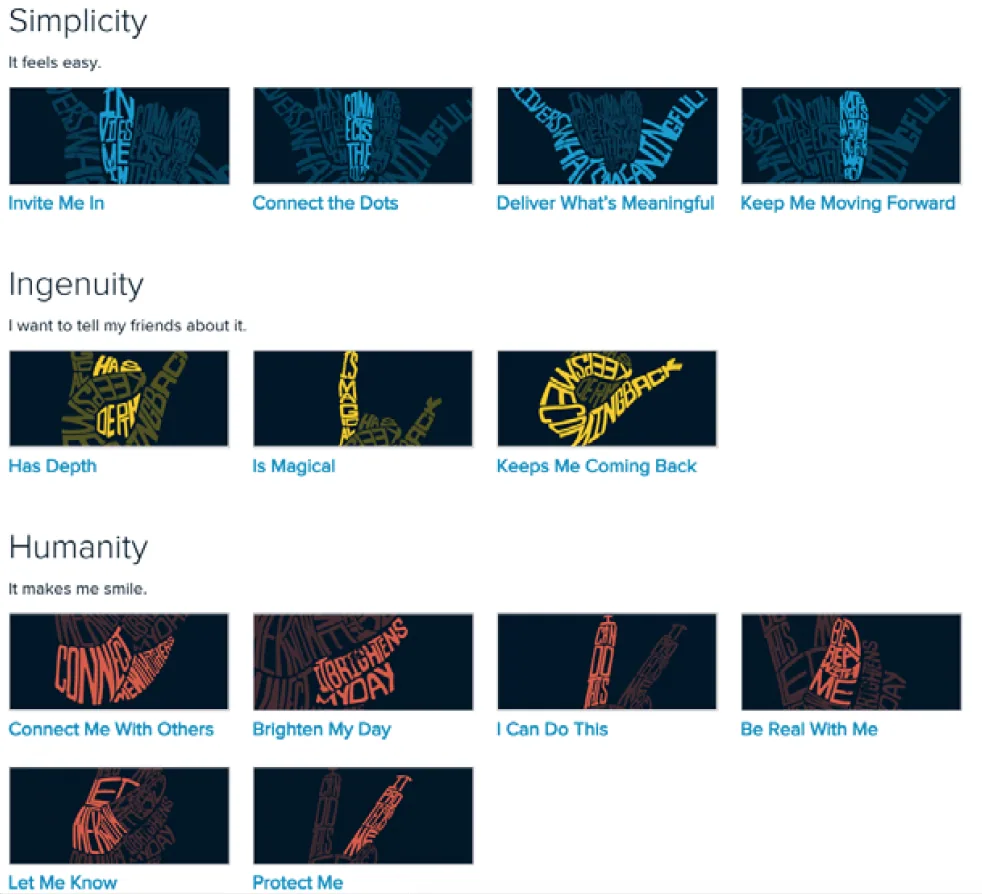
Globally, we started with principles: the values we wanted our digital experiences to reflect. In a two-day workshop, lead designers shared what we each stood for and landed on three design principles and a mission for the whole team.
Calling it a design system would be generous
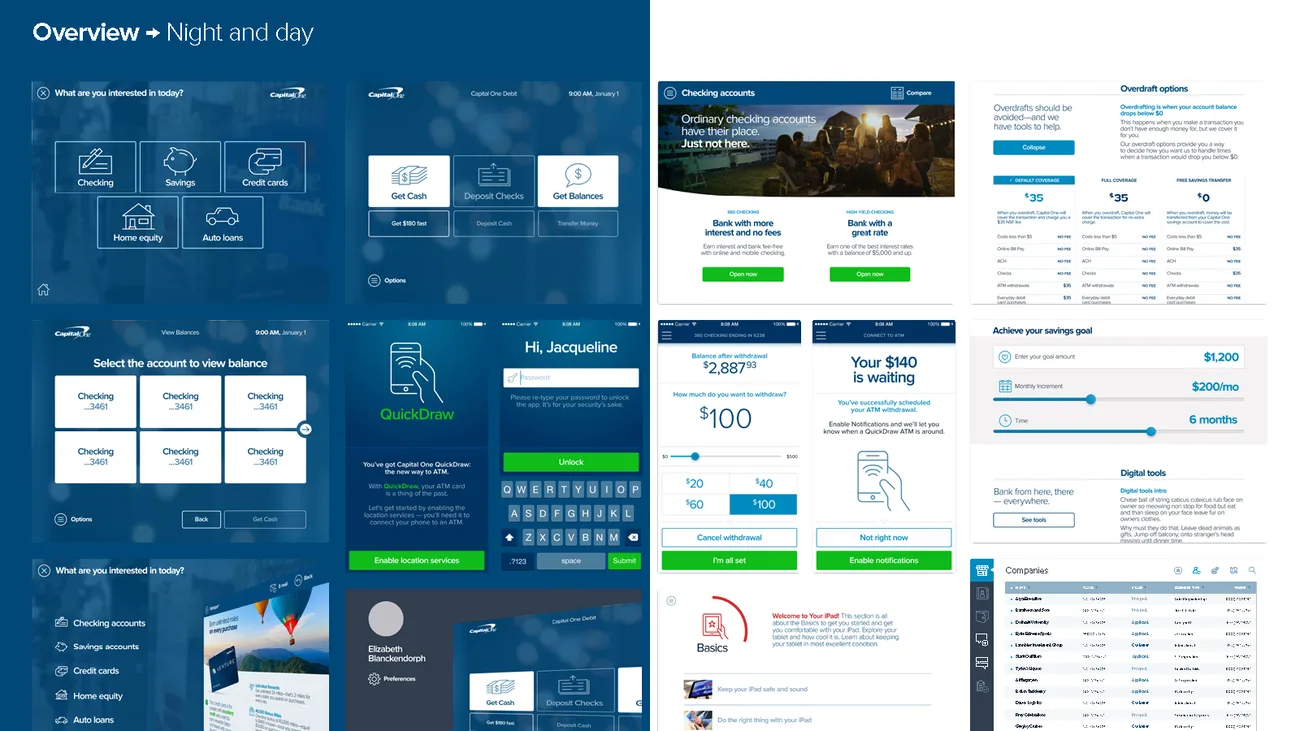
We built the styleguide for the Retail Bank products first. Calling it a design system would have been generous. It was closer to a snapshot of our design language across the platforms we owned: iPad and iPhone apps, interactive displays, ATMs.
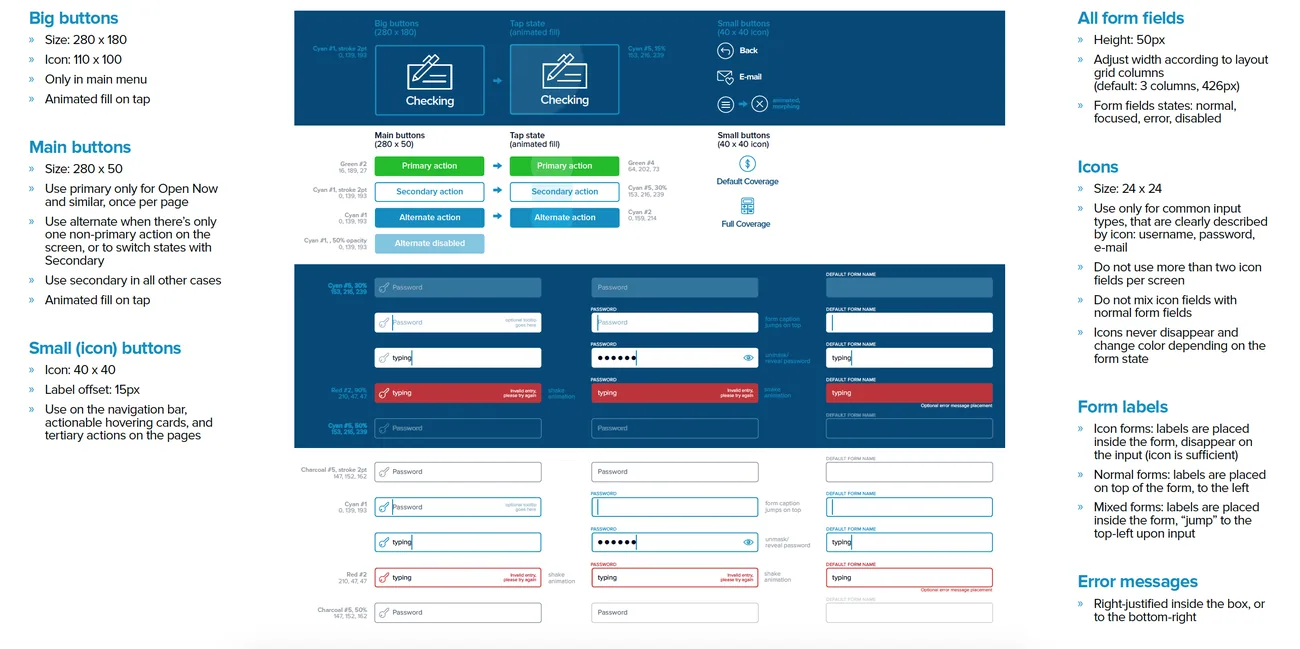
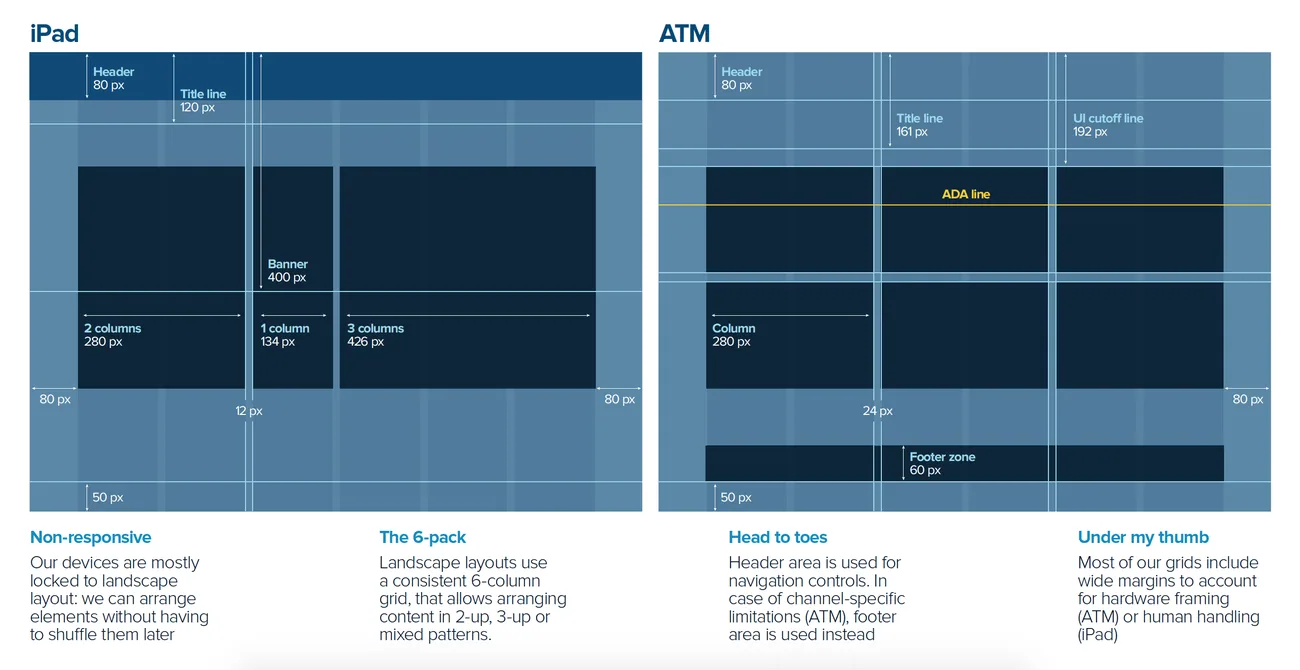
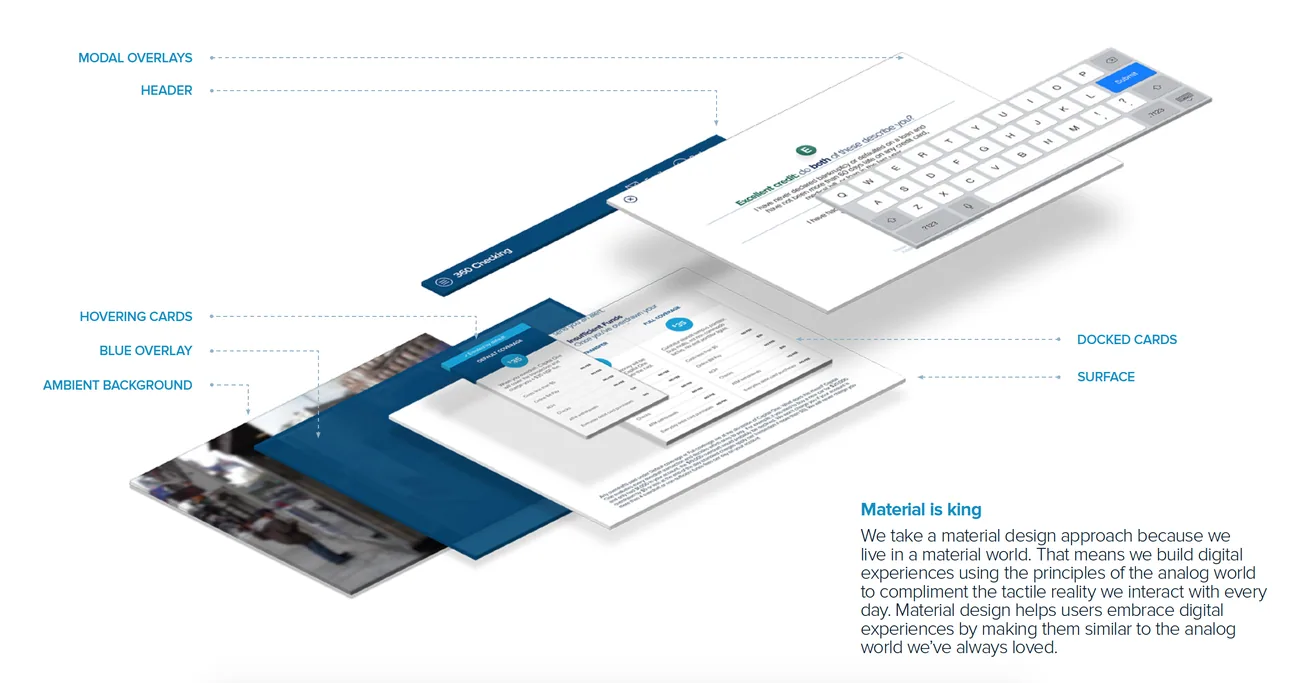
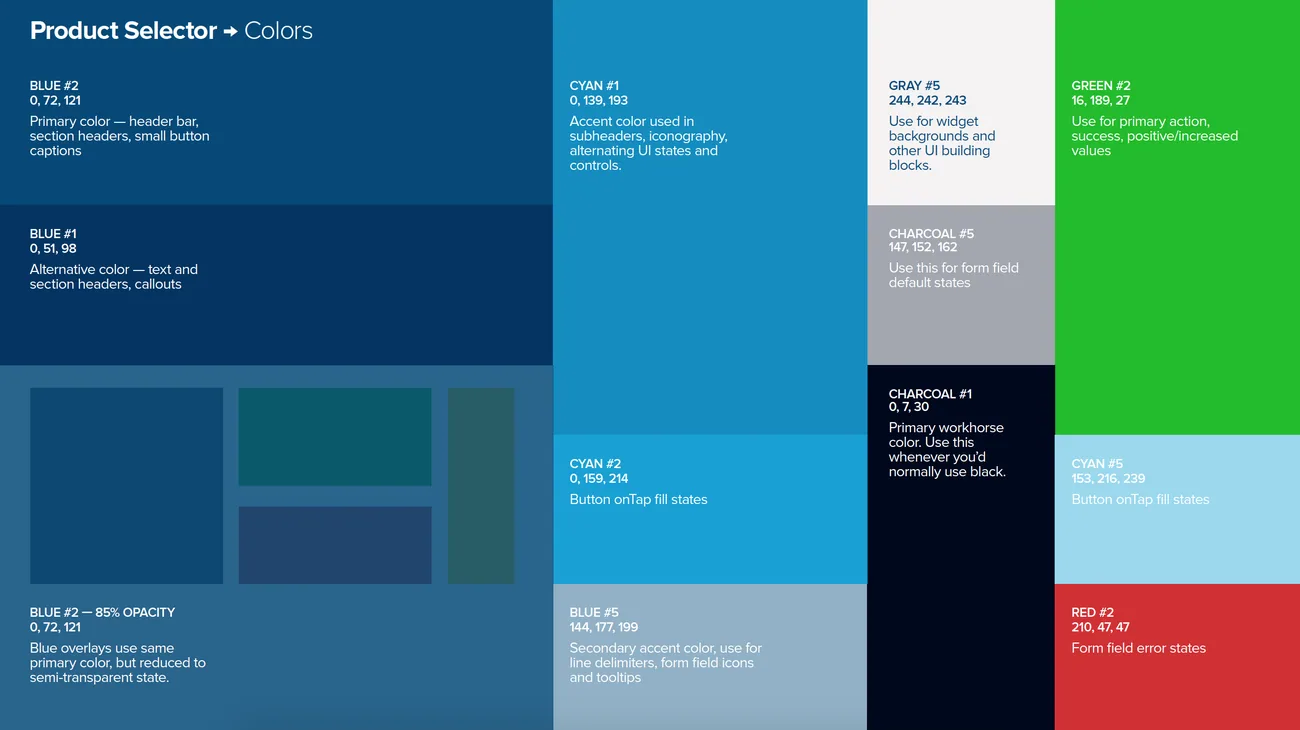
Working closely with developers, we built guidelines and reusable components that let us ship faster and look like one product instead of five. It covered the usual ground, components, grids, color, type, icons, plus the parts I cared about most: motion, and a material-layers architecture.
I took motion
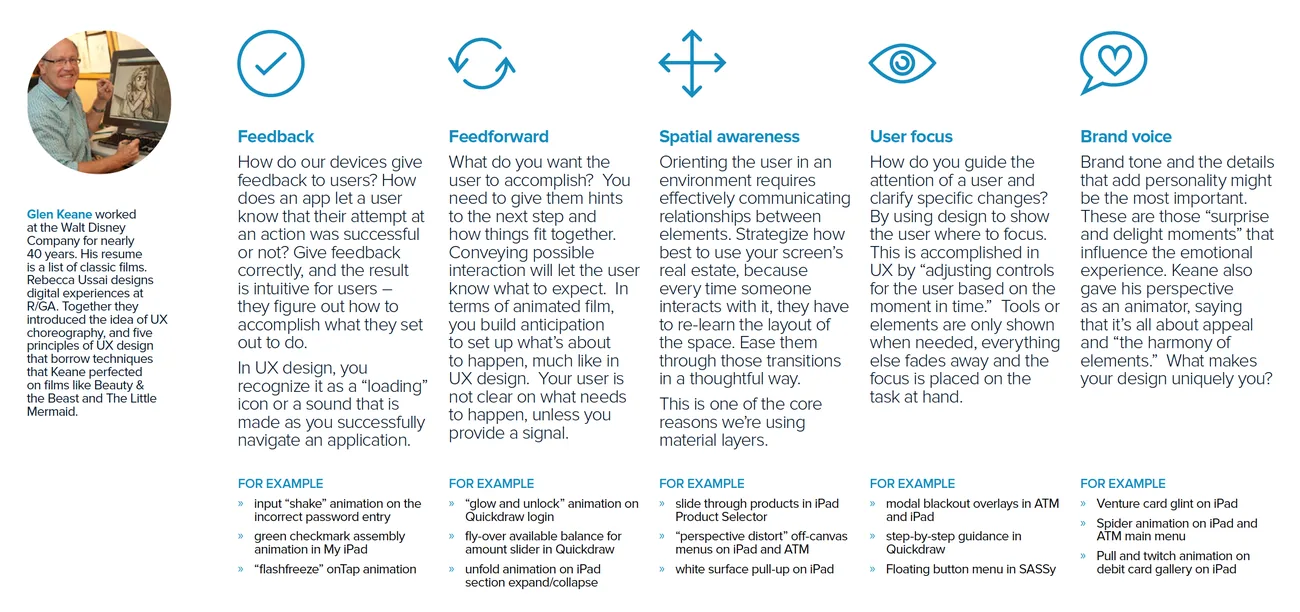
Motion is not decoration. It tells people where they are and where a thing came from.
As the org matured, we folded the local styleguides into one global system. A steering committee of leads and product partners kept pushing the language forward while all of us learned, in real time, how to run a design system at that scale. Everyone owned a piece of it.
I took motion. I wrote the animation guidelines and principles, built the examples and the do's and don'ts that every designer and developer worked from. That work is also where my "Jedi Principles of UI Animation" talk came from, so it ended up doing double duty.
A brand for the org itself
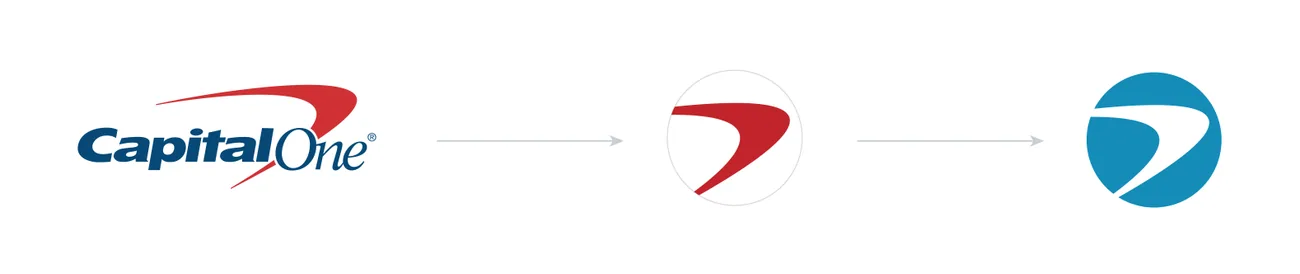
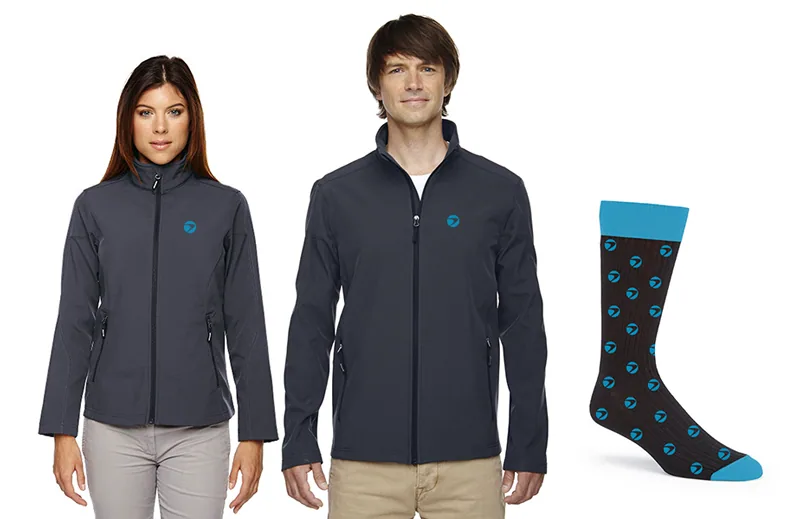
Once the system was established and a dedicated team existed to maintain it, I turned to something different: a brand for the design org itself. An identity system for designers. Part of it sharpened our talent brand and helped hiring, part of it lined us up with the rest of the company, and part of it, honestly, was making a few hundred designers feel like one team.
Getting a few hundred designers to agree on anything visual is genuinely hard. Everyone has opinions and the opinions are strong. On top of that, the design brand had to sit comfortably next to the corporate brand, so we read as partners, not a side project doing its own thing. It took research, conversations, a lot of meetings, and a lot of iteration, but we got there. And because everyone had a hand in it, there was no dramatic reveal. The org already knew the brand, because the org had built it.
It will outlast me
Seven years on, I still wear those socks.
We kept gathering feedback and iterating, then took the brand out into the world: conferences, recruiting events, college fairs. Stickers, brochures, business cards, apparel for the team.
The brand and the system are both still alive over there, and they will outlast me. That is the whole point of building systems instead of one-offs.